Table of contents
- Key Takeaways:
- Marketing Has an Attention Problem, and a Longevity Opportunity
- What Does Marketing Longevity Mean?
- What Makes Marketing Last?
- Direct Mail Can Turn One Delivery Into Multiple Brand Encounters
- Calendars and Personalized Publications Turn Visibility Into a Habit
- Useful Branded Merchandise Can Keep Working Long After It Is Given Away
- The Psychology Behind Tangible Brand Touchpoints
- The Real Value Appears Between Purchases
- Marketing Longevity Requires More Than Producing More Materials
- Don’t Just Measure the First Impression. Measure What Happens After It.
Key Takeaways:
- Marketing longevity measures value beyond the first impression by considering how long marketing remains visible, useful and relevant.
- Physical marketing can create repeated opportunities for brand visibility because direct mail, calendars, publications and useful branded merchandise can remain in customers’ environments.
- Consistency, cost effectiveness, and control help brands turn longer-lasting marketing into sustained visibility, stronger recognition and opportunities for future growth.
Marketers spend enormous amounts of time measuring what happens at the beginning of an interaction: impressions, opens, clicks, conversions and cost per acquisition.
But there is another measure of marketing value that deserves more attention:
How long does your marketing keep your brand visible after the first impression?
Brand growth depends, in part, on being recognized and remembered when it matters. For businesses with long customer lifecycles selling high-consideration products and services – like real estate, automotive, travel & hospitality, and consumer goods sold through distributed networks – that can mean maintaining familiarity for months or even years between transactions.
That is the idea behind marketing longevity: creating marketing that remains visible, useful and relevant over time, giving your brand more opportunities to be seen, recognized and remembered.
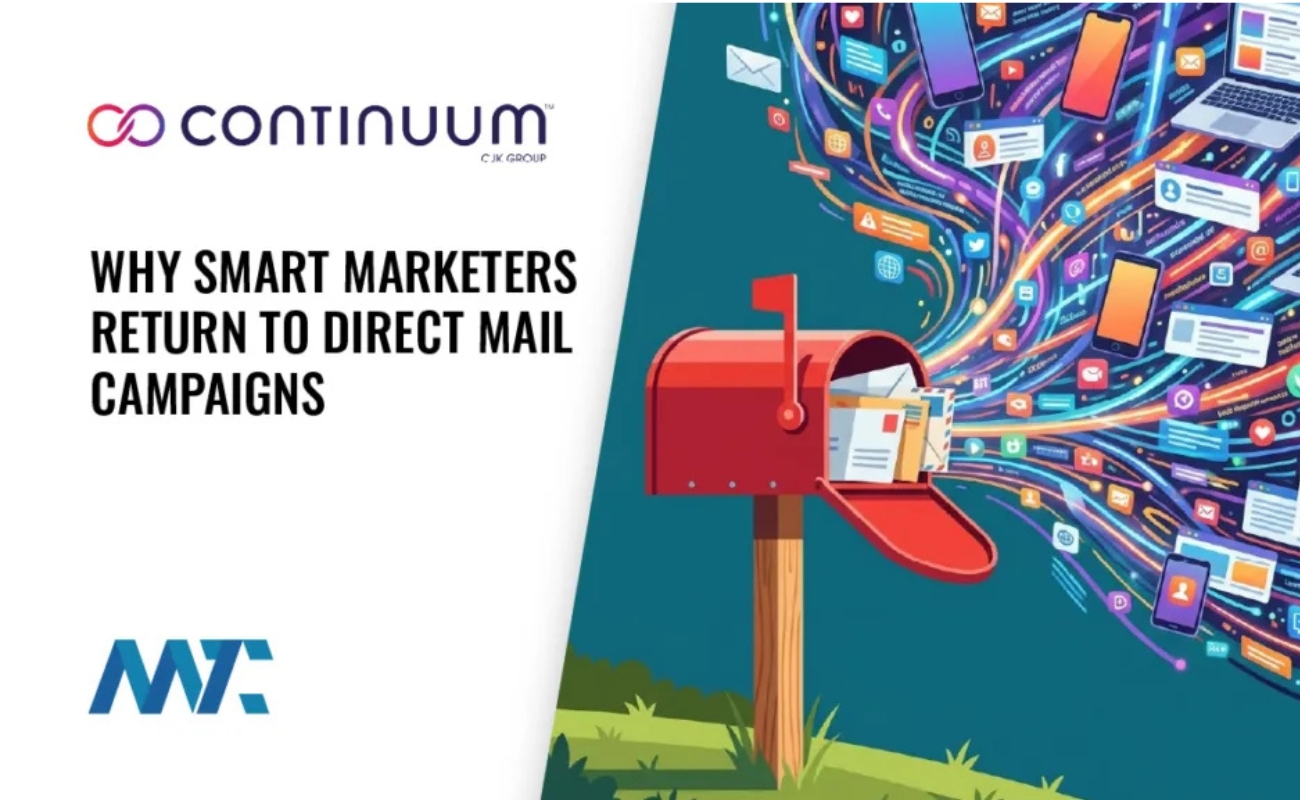
Physical marketing is particularly well suited to creating that staying power. A calendar can remain on a wall or desk for months. A publication can stay on a coffee table. Useful branded merchandise can become part of someone’s routine. Relevant direct mail gives more time with your message, without a skip button or disappearing screen.
The value is not simply that these marketing tactics are physical. It is that when they are useful enough to keep, they can continue creating brand exposure without requiring a new interaction every time.
Marketing Has an Attention Problem, and a Longevity Opportunity
Enterprise marketers have more ways to reach customers than ever before. Email, paid social, display, search, mobile apps, and other digital channels provide extraordinary speed and scale.
They also operate in an environment where attention disappears quickly.
Adobe’s 2026 research among 1,002 U.S. consumers found that only 17% were confident they could recall the last three ads they had seen after 24 hours.
This does not diminish digital marketing’s importance. It raises another question:
How can brands extend their presence after an individual advertising exposure ends?
Physical marketing provides another way to answer that question.
Rather than considering only how many people a campaign reaches, marketers can also consider how long a touchpoint remains in circulation, how often customers encounter it, and whether it continues providing value.
What Does Marketing Longevity Mean?
Marketing longevity is the ability of a marketing investment to remain visible, useful and relevant beyond its initial delivery or interaction, creating continued opportunities for brand exposure and recognition.
A digital ad may produce an important impression at exactly the right moment. An email may prompt an immediate response. But certain physical touchpoints have another characteristic: they can remain present.
A personalized magazine can stay on a coffee table. A calendar can occupy a wall or desk for months. A useful branded item can become part of someone’s workday or routine. A direct-mail piece containing valuable information can be saved until the recipient is ready to act.
The distinction is not simply physical versus digital. It is temporary exposure versus potential repeated exposure.
What Makes Marketing Last?
Marketing longevity does not come simply from making something physical. A piece that is irrelevant will still be discarded. To create lasting value, physical marketing should deliver three things:
Consistency: Stay visible and stay remembered.
For relationship-driven brands, marketing has a job to do even when a customer is not ready to buy. Useful physical touchpoints can create an ongoing presence between transactions, helping a brand remain familiar without requiring every interaction to ask for a sale.
Cost Effectiveness: Get more life from every marketing dollar.
The cost of marketing should not be considered independently from how long it continues creating value. A useful physical piece can generate repeated brand encounters without requiring another media purchase for every interaction.
Control: Know where your marketing goes and what happens next.
Physical marketing gives brands control over who receives something, what they receive, how it is personalized, when it arrives, how many are produced and how much is invested. At enterprise scale, that control can extend across locations, agents, advisors, dealers and other distributed networks.
Together, consistency, cost effectiveness and control help turn marketing longevity into sustained brand visibility and more opportunities to be remembered when a customer is ready to act.
Direct Mail Can Turn One Delivery Into Multiple Brand Encounters
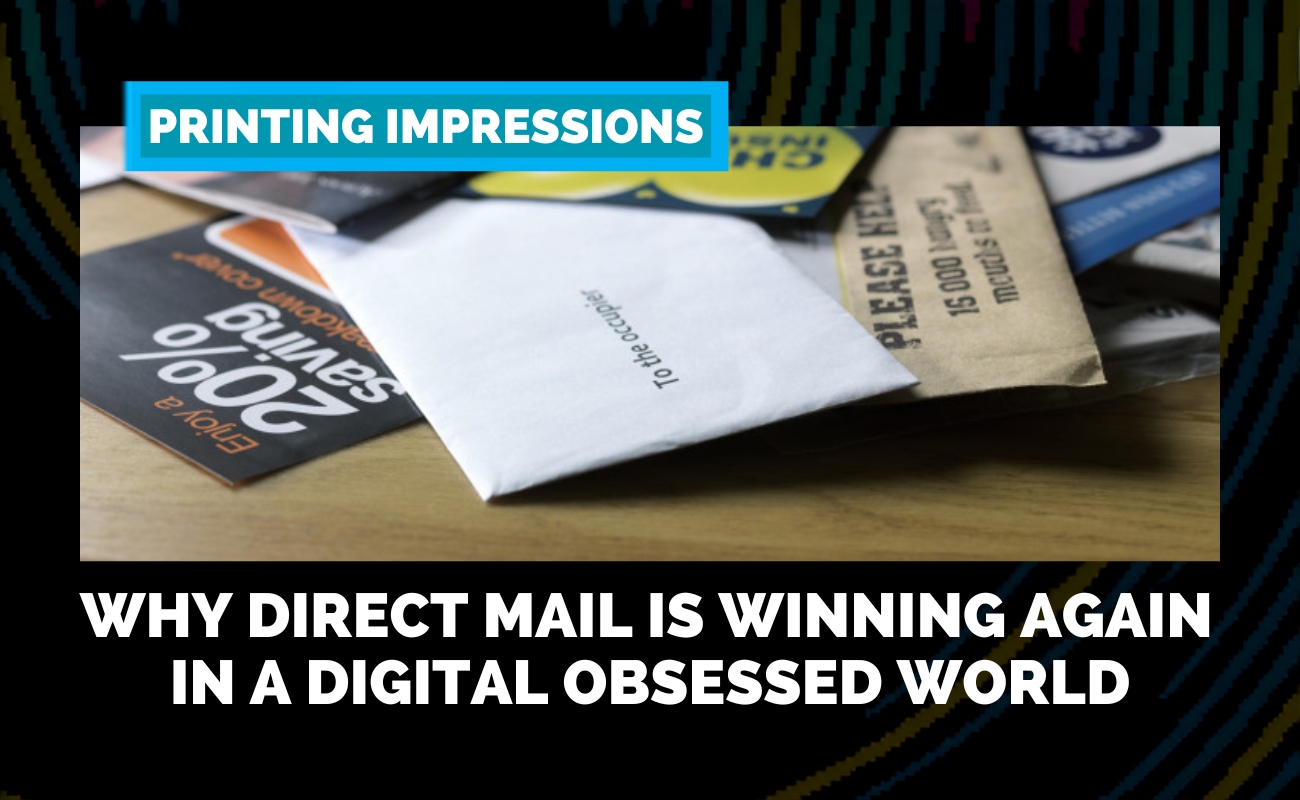
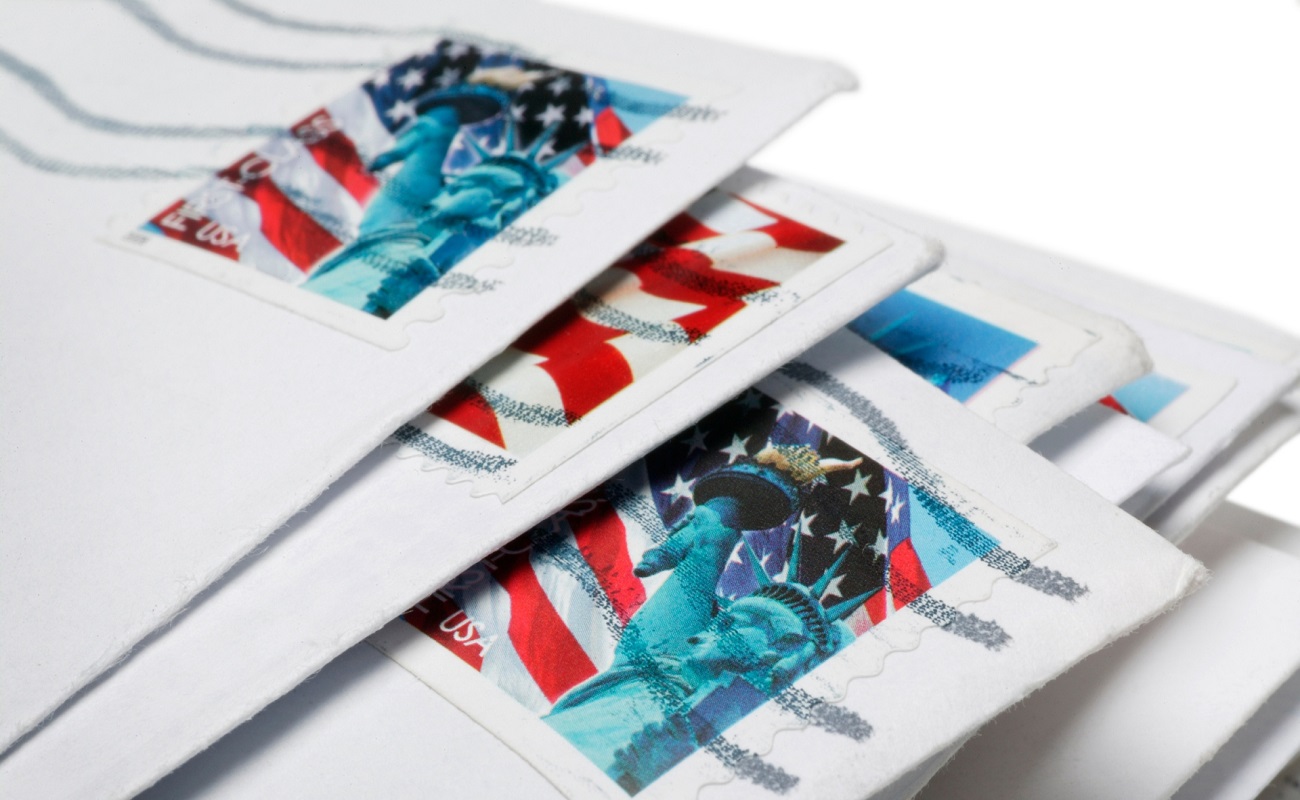
Direct mail creates a physical interaction that does not necessarily end when the customer first opens it.
Lob’s 2026 State of Direct Mail study surveyed 250 senior marketing and operations leaders overseeing high-volume programs. Ninety percent reported increasing their allocation to direct mail in 2026, while 94% said direct mail enhances engagement and conversions in digital channels.
Longevity, however, depends on creating something worth keeping.
A generic offer may be discarded quickly. A well-timed piece containing useful information, an important reminder, personalized content, or a compelling next step has a greater opportunity to remain relevant.
An automotive brand could provide a maintenance schedule after purchase. A healthcare organization could send seasonal wellness information. A financial services organization could deliver educational content tied to life stages. A real estate brand could provide useful homeowner content after closing.
The goal moves beyond generating an immediate response. The physical piece becomes part of an ongoing customer relationship.
Calendars and Personalized Publications Turn Visibility Into a Habit
Some physical marketing formats are inherently designed for repeated interaction.
When useful enough to earn a place on a wall or desk, a branded calendar can create visibility for months. Personalized magazines can operate similarly, giving recipients relevant articles, local information, seasonal ideas, and other content worth revisiting.
For enterprise brands with distributed sales networks, these formats can also strengthen local customer relationships while maintaining consistency with the larger brand.
A real estate professional wants to remain familiar after closing. An insurance agent wants to remain visible between policy decisions. A financial advisor wants to maintain a relationship between transactions.
The marketing asset becomes more than an advertisement. It becomes a recurring reminder of the relationship.
Useful Branded Merchandise Can Keep Working Long After It Is Given Away
The same principle applies to branded merchandise, but only when the product earns continued use.
ASI’s 2026 Global Ad Impressions Study found that 78% of U.S. consumers would keep a promotional product because it is useful. Nearly 80% also reported having a more favorable impression of an advertiser after receiving promotional merchandise.
That changes the strategic question marketers should ask.
Instead of asking, “What can we put our logo on?”, ask:
What will this audience genuinely want to keep and use?
A product used regularly can create repeated exposure without requiring another media purchase for every encounter. An irrelevant or unnecessary product does the opposite.
Marketing longevity depends on utility, quality, and audience relevance, not simply physical permanence.
The Psychology Behind Tangible Brand Touchpoints
Physical marketing operates differently because it exists in the customer’s environment rather than disappearing when a screen refreshes or an inbox is cleared.
Recent 2026 research shows that younger consumers are far from digital-only. Lob’s State of Direct Mail research points to strong engagement with direct mail among Gen Z and millennials, while ASI’s 2026 Global Ad Impressions Study found that promotional products outperform digital and other media in overall consumer advertising preference. The research also found that 78% of U.S. consumers keep promotional products because they are useful.
The takeaway is not that physical media should replace digital. The channels serve different purposes. Digital provides convenience and immediacy, while relevant physical touchpoints can create tangible, repeated brand exposure.
Relevance, design, and timing still matter. But when a customer keeps a calendar on a desk, a publication on a table, or a useful branded item in a bag, the brand becomes part of their environment rather than another message passing through a screen. That physical presence can create repeated exposure across generations, particularly when the item provides enough value to earn a place in the customer’s daily life.
The Real Value Appears Between Purchases
Marketing longevity is especially important when customers are not continuously in-market.
Most people are not always looking for a new home, vehicle, insurance provider, financial advisor, or healthcare service. Eventually, circumstances change.
At that moment, brand familiarity matters.
Lob’s 2026 research found that business leaders consider direct mail effective throughout the customer lifecycle, with 98% rating it effective for winning back dormant or churned customers.
The lesson is simple: brands do not need to communicate constantly. They need to communicate consistently and usefully enough to maintain the relationship.
Marketing Longevity Requires More Than Producing More Materials
Physical marketing has staying power only when the program behind it is executed well.
Enterprise organizations must coordinate customer data, personalization, creative, production, sourcing, inventory, postal requirements, distribution, and measurement. Complexity increases further for organizations with locations, agents, advisors, dealers, or other distributed networks.
Marketing longevity should not mean producing more physical materials. It should mean turning useful physical products into strategic, repeatable programs with a clear role in the customer lifecycle.
A Marketing Execution Partner can connect strategy with the operational details required to make these programs work at enterprise scale. By coordinating creative, personalization, production, fulfillment and distribution, brands can make physical marketing easier to execute and scale.
The objective is to deliver the right physical touchpoint to the right customer, with the right message, at the right point in the relationship, consistently and efficiently.
Don’t Just Measure the First Impression. Measure What Happens After It.
Reach, frequency, cost per impression and conversion will continue to matter. But they do not tell the entire story.
Marketers should also ask: How long does this investment remain visible? Does it provide enough value for someone to keep or use it? Will it help our brand remain relevant when the customer needs us again?
Physical marketing creates opportunities to extend that value. Direct mail can remain relevant after delivery. A calendar can provide months of visibility. A personalized publication can deepen an ongoing relationship. Useful branded merchandise can generate repeated exposure through continued use.
The goal is not to replace digital marketing. It is to build a marketing ecosystem in which different channels do different jobs well, together.
The opportunity for enterprise marketers is to stop treating physical marketing as a collection of isolated products and start thinking about it as a strategic program. When audience, personalization, creative, production, fulfillment and distribution work together, physical marketing can deliver greater consistency, cost effectiveness and control.
The goal is not simply to make marketing last longer. It is to make that longevity valuable enough to help your brand stay visible, recognizable and relevant when the next opportunity arises.